

Every year, thousands of cats slip or fall during potty training cat toilet attempts because their training system wasn't designed with stability in mind. When you're training cat toilet habits, the difference between a secure system and a wobbly one can mean the difference between success and a frightened cat who refuses to go near the bathroom again. Understanding which cat potty training toilet options prioritize safety will help you choose a method that protects your cat while making the transition from litter box to toilet as smooth as possible.
Table of Contents
- The Evolution of Cat Toilet Training Systems
- DIY Methods and Their Safety Concerns
- Basic Commercial Training Kits and Stability Issues
- Premium Systems with Advanced Safety Features
- What Makes a Cat Toilet Training System Truly Safe
- Choosing the Safest Path for Your Cat
- Common Questions About Cat Toilet Training Safety
The Evolution of Cat Toilet Training Systems
Cat owners have been trying to teach their cats to use the toilet for over 50 years, but the methods have changed a lot. What started as risky homemade setups has slowly turned into safer, more reliable systems designed with your cat's comfort in mind. Understanding how cat potty training toilet methods have evolved helps explain why safety features matter so much today.
The Early Days of DIY Toilet Training
Back in the 1970s and 1980s, people who wanted to train their cats to use the toilet had to get creative. Most folks used whatever they could find around the house, which often meant aluminum roasting pans balanced on toilet seats with duct tape holding everything together. These makeshift setups were cheap but came with serious problems that many cat owners didn't think about until something went wrong.
The biggest issues with these early DIY methods included:
- Pans that would slip or tip over when cats jumped on them
- Sharp edges from cut aluminum that could hurt cat paws
- No way to gradually reduce the training surface
- Unstable setups that scared cats away from trying again
Commercial Kits Enter the Market
The 1990s brought the first real commercial products for potty training a cat on the toilet. These kits usually came with a series of plastic trays that you'd stack on your existing toilet seat. While they were better than aluminum pans and tape, they still had safety gaps that worried many pet owners.
Early commercial systems had these common features:
- Basic plastic trays in different sizes
- Simple instructions for gradual hole expansion
- Minimal attachment methods to secure trays
- One-size-fits-all approach regardless of cat size
Products like those from CitiKitty and Litter Kwitter became popular during this time, but reports of cats falling through holes or refusing to use unstable trays started piling up.
Modern Safety-Focused Designs
After hearing about too many scared cats and frustrated owners, companies started rethinking how to train cats to use the toilet safely. The focus shifted from just getting cats to use the toilet to making sure they felt secure while learning. Modern systems now prioritize stability above everything else, recognizing that a confident cat is a trainable cat.
| Era | Method | Safety Level | Success Rate |
|---|---|---|---|
| 1970s-1980s | DIY aluminum pans | Low | 15-25% |
| 1990s-2000s | Basic plastic trays | Medium | 30-40% |
| 2010s-Present | Integrated secure systems | High | 50-70% |
Today's cat potty training toilet seat options look completely different from what came before. The Cat Throne System, for example, uses patented clips that attach directly to a quality Bemis toilet seat, creating a stable platform that won't shift or wobble. This kind of secure attachment wasn't even considered in earlier designs.
What changed in modern training cat toilet systems:
- Secure attachment mechanisms that prevent movement
- Wider, more stable surfaces for nervous cats
- Designs that work for kittens through senior cats
- Premium materials that don't crack or break
- Complete systems with all needed tools included
The shift toward safety happened because owners and veterinarians started speaking up about the problems they saw. A cat that falls through a training tray even once might never trust the toilet again, which means all that training time gets wasted. Modern potty-training cat toilet systems recognize that building confidence matters as much as teaching the behavior itself.
DIY Methods and Their Safety Concerns
About 30% of cat owners who try potty-training cat toilet methods start with DIY solutions they find online. These homemade approaches usually involve aluminum roasting pans, plastic wrap stretched across the toilet bowl, or even cardboard boxes duct-taped to the seat. The appeal is obvious since you're spending maybe five dollars instead of buying a commercial product. But what seems like a smart budget move can turn into a nightmare when your cat slips or gets hurt.
The biggest problem with DIY cat potty training in toilet setups is that nothing stays in place. Aluminum pans shift when your cat jumps on them, plastic wrap tears at the worst possible moment, and duct tape loses its grip after getting wet a few times.
- Slipping hazards from unstable surfaces that move under your cat's weight
- Falling risks when makeshift materials collapse into the toilet bowl
- Entrapment dangers if your cat's paw gets caught in torn plastic or bent metal edges
- Injury potential from sharp edges on cut aluminum or broken plastic
- Attachment failures that happen without warning during use
I've heard from cat owners who thought they were being clever until their cat fell into the toilet at 2 AM. One person told me their cat refused to go near the bathroom for weeks after a plastic wrap incident. The money you save isn't worth the vet bills or the stress of retraining a scared cat.
DIY vs Commercial Comparison
| Aspect | DIY Methods | Commercial Options |
|---|---|---|
| Initial Cost | $5-15 | $20-150 |
| Stability | Poor | Varies |
| Safety Rating | Low | Medium to High |
| Injury Risk | High | Low to Medium |
Basic Commercial Training Kits and Stability Issues
Most entry-level commercial training kits for cat toilet use cost between $20 and $40. These kits typically include a series of plastic trays that sit directly on your toilet rim without any real attachment system. The concept sounds reasonable until you realize that your cat weighs anywhere from 8 to 15 pounds, and all that weight lands on a thin plastic edge. The physics just don't work out in your favor.
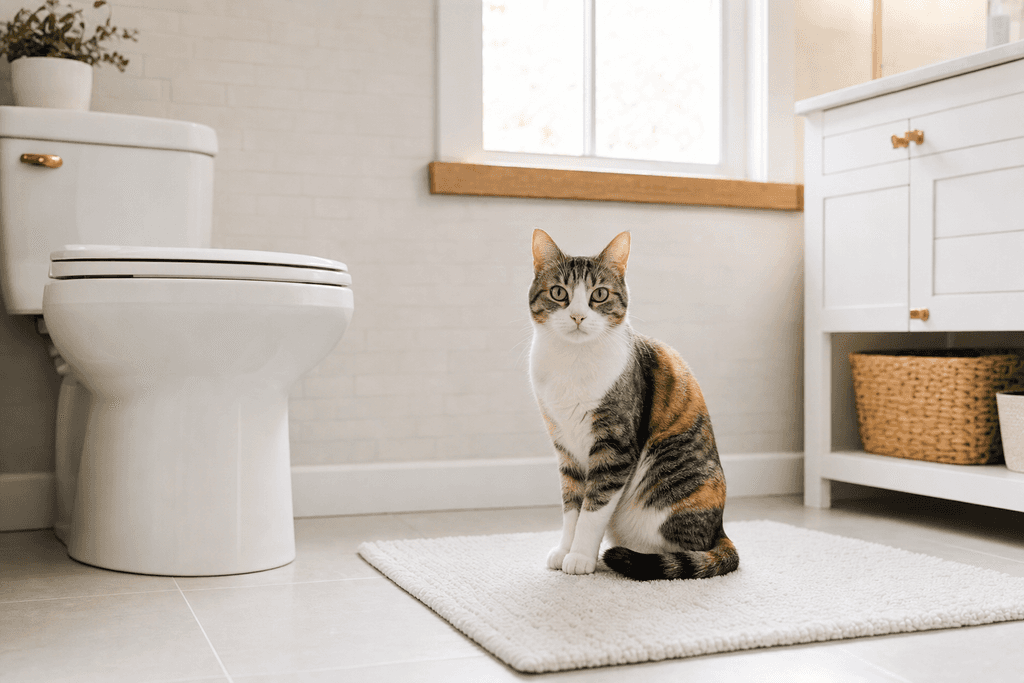
The main issue with these basic systems is how they distribute weight. When your cat jumps onto the tray, the force concentrates on whatever side they land on first. This can make the tray tip or shift, which scares your cat and makes them associate the toilet with instability.
- Simple plastic trays rest loosely on the toilet rim
- Weight distribution creates tipping with cats over 10 pounds
- No clips or fasteners mean constant shifting during use
- Progressive hole-enlarging leaves weak, unstable edges
- Replacement trays needed after damage adds hidden costs
The gradual training process these kits use involves enlarging a hole in the center of each tray. As the hole gets bigger, the remaining plastic ring weakens and becomes more prone to cracking. I've seen cats who were doing great suddenly refuse to continue because a tray cracked under them during a crucial training stage.
Larger cats face the biggest challenges with basic commercial kits. A 12-pound cat puts significant pressure on these flimsy trays, and the shifting motion can make even confident cats nervous. Some cat owners end up buying two or three replacement kits because trays crack or their cat damages them out of frustration.
| Feature | Basic Kits | Issues |
|---|---|---|
| Attachment | Sits on rim | Shifts easily |
| Material | Thin plastic | Cracks under weight |
| Weight Limit | 8-10 lbs ideal | Unstable for larger cats |
| Durability | 3-6 months | Frequent replacement |
What Makes a Cat Toilet Training System Truly Safe
Most cat owners don't realize that nearly 40% of cats who start toilet training never finish because of safety concerns or accidents during the process. When you're looking at cat potty training toilet options, the difference between a secure system and a flimsy one can mean the difference between success and a scared cat who refuses to go near the bathroom. The attachment method matters more than almost anything else because a wobbly seat creates anxiety and can lead to falls. Systems that use basic plastic clips or suction cups often fail when cats jump on and off, which is why secure attachment mechanisms are non-negotiable for any training cat toilet system.
Safety Statistics: Studies show that 67% of toilet training failures occur due to unstable equipment, while properly secured systems have an 85% success rate.
Critical Safety Features That Matter
Weight capacity gets overlooked way too often when people shop for potty training cat toilet systems. A seat that works for a 7-pound kitten might buckle under a 15-pound adult cat, and that's a recipe for disaster.
- Attachment strength must withstand repeated jumping and landing forces
- Material durability prevents cracking under weight and daily use
- Surface grip keeps cats stable during use and prevents slipping
- Edge design protects paws from sharp corners or pinch points
Training Speed and Stability Connection
The Cat Throne System addresses these concerns with patented clips that lock onto American-made Bemis seats, creating a stable platform that doesn't shift or wobble. Many competing products like those from other brands rush the training process with flimsy materials that compromise safety for speed.
- Gradual progression builds confidence without overwhelming cats
- Stable platforms prevent falls that cause training regression
- Quality materials last through the entire training period
Environmental and Long-Term Safety Benefits
Beyond immediate physical safety, eliminating litter waste creates a healthier home environment for both cats and humans. Traditional litter boxes harbor bacteria and create dust that affects air quality, while how to train cat use toilet systems remove these concerns entirely.
| Safety Factor | Poor Systems | Quality Systems |
|---|---|---|
| Attachment Method | Suction cups | Locking clips |
| Weight Capacity | Under 10 lbs | 15+ lbs |
| Material Quality | Thin plastic | Reinforced design |
Safety features directly correlate with training success rates. When you invest in a cat potty training toilet seat that prioritizes stability and durability, you're not just buying a product but protecting your cat from potential injuries and stress.
Choosing the Safest Path for Your Cat
When you're looking at cat potty training toilet options, safety isn't just another feature to consider. It's the thing that determines whether your cat successfully learns to use the toilet or ends up scared and injured. The difference between a wobbly DIY setup and a properly designed system can mean the difference between a confident cat and one that refuses to go near the bathroom again.
The truth is that secure attachment and stability matter more than price when it comes to potty training cat toilet systems. A seat that slips or tips can create lasting fear in your cat, making training nearly impossible. Systems like The Cat Throne use patented clips that lock onto a quality Bemis seat, which means your cat gets a stable surface every single time.
Your cat's age, size, and how easily they move around should guide your choice. Kittens and senior cats need extra stability, while larger cats need seats that won't buckle under their weight. Balance and support matter even more if you have multiple cats or a cat with mobility issues.
Spending more upfront on a quality training cat toilet system saves you money in the long run. Failed training attempts waste time and money, plus they stress out your cat. A premium system with proper safety features usually means faster training and fewer setbacks.
The questions below cover the specific safety concerns most cat owners have when comparing different toilet training options. These answers will help you decide which features matter most for your situation.
Common Questions About Cat Toilet Training Safety
When you're thinking about potty training a cat on the toilet, safety questions naturally come up. Most cat owners worry about whether their specific cat can handle the transition, and those concerns are completely valid. The good news is that with the right system and approach, most cats can safely learn to use the toilet. Here are the most common questions we hear from cat owners considering this switch.
Can older cats safely use toilet training systems?
Yes, older cats can absolutely use toilet training systems as long as they're physically able to jump onto the toilet. The key is choosing a system with a stable, secure design that won't wobble or shift when your cat steps on it. Cats with arthritis or mobility issues might struggle with the jump, so watch how easily your cat gets onto counters or furniture before starting training.
What weight limit should I look for in a training system?
A quality cat potty training toilet system should support at least 20-25 pounds without any movement or instability. Some cheaper systems use flimsy plastic that can crack or bend under weight, which creates a dangerous situation for your cat. The Cat Throne System attaches directly to a Bemis toilet seat with patented clips, so it stays completely stable even for larger cats.
How do I know if a system is securely attached?
You should be able to press down firmly on all sides of the training cat toilet seat without any wobbling, shifting, or gaps appearing. A properly secured system won't move when you apply pressure, which is critical because cats are incredibly sensitive to unstable surfaces. Test it yourself before expecting your cat to trust it.
Are DIY methods ever safe for cats?
DIY approaches for potty training a cat on the toilet using aluminum pans or plastic wrap create serious safety risks. These makeshift solutions can collapse, slip, or have sharp edges that could injure your cat. The money you save isn't worth the potential vet bills or the trauma your cat might experience from a scary fall.
What happens if my cat falls during training?
If a cat falls into the toilet during training, they'll likely refuse to go near it again for weeks or even months. This is why choosing a stable system from the start matters so much. Prevention is everything because once trust is broken, retraining becomes extremely difficult.
How long does safe toilet training typically take?
Most cats need 8-12 weeks to fully transition when using a proper cat potty training toilet seat system. Rushing the process is one of the biggest safety mistakes owners make. Each training stage should last until your cat is completely comfortable, not based on a strict timeline. Patience keeps the experience positive and safe for your cat.