


If you're scooping litter twice a day and still finding dusty paw prints across your kitchen counter, you're not alone—the average cat owner drops $200 to $300 every year just on litter, not counting the time spent cleaning scattered granules and masking odors. Toilet training your cat eliminates tracking, smell, and endless bag hauling, which is why systems like the CitiKitty cat toilet training kit gained so much attention over the past decade. But while CitiKitty popularized the idea of teaching cats to use the toilet, newer alternatives like The Cat Throne now offer sturdier designs and better success rates for families serious about making the switch.
Table of Contents
What Is the CitiKitty Training System
Back in 2009, a woman named Rebecca Rescate walked onto Shark Tank with a simple plastic tray and a big idea. She wanted to help cat owners ditch their litter boxes forever by teaching cats to use the human toilet instead. The citikitty cat toilet training kit became one of the show's early success stories, and suddenly thousands of urban apartment dwellers were wondering if they could really train their cats to go where they go. The concept wasn't entirely new, but CitiKitty made it affordable and accessible to regular cat owners who were tired of scooping litter every day.
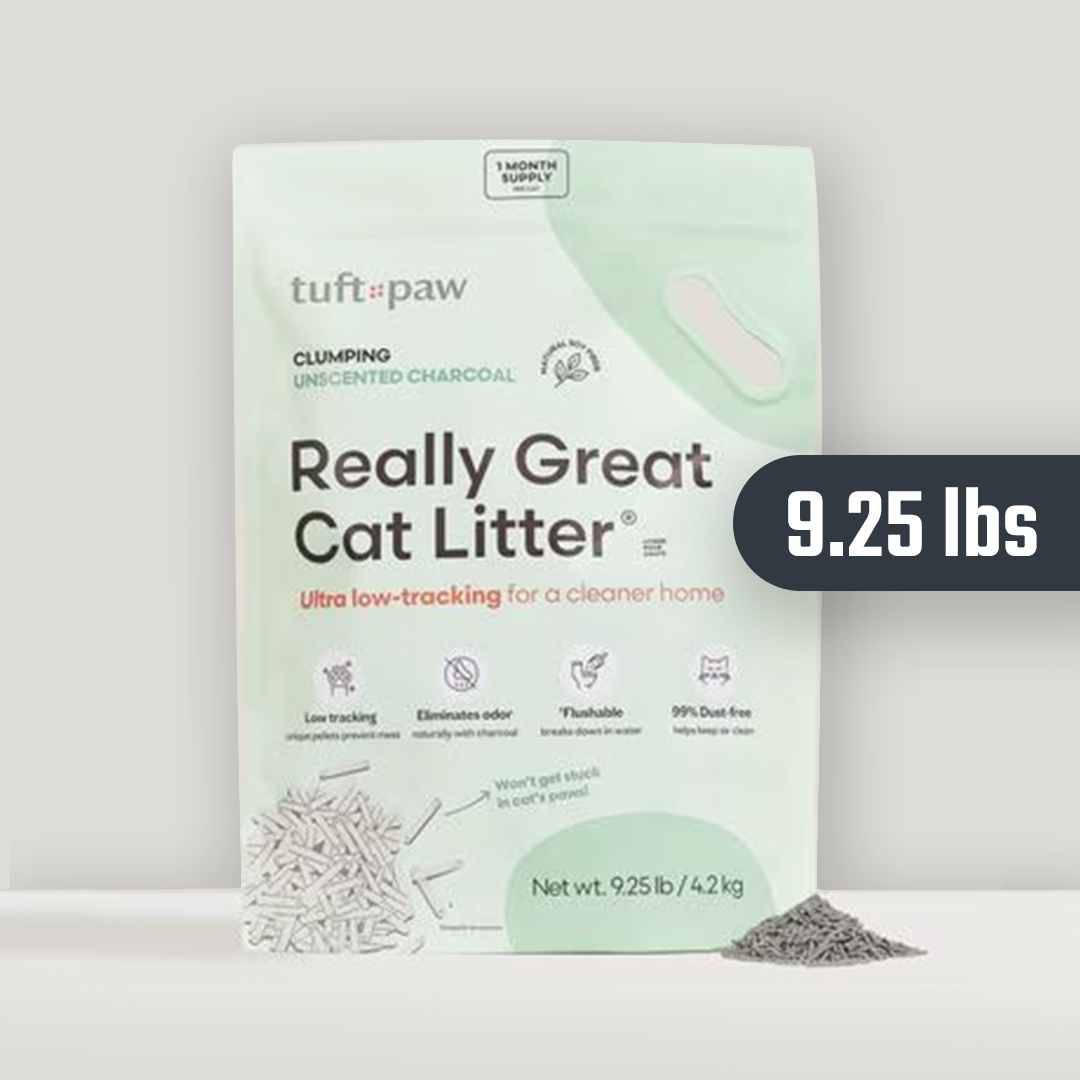
Tuft & Paw Tofu Flushable Litter
How the System Works
The citikitty cat toilet training kit review starts with understanding what you actually get in the box. It's a white plastic tray that sits on top of your toilet seat, filled with flushable litter at first. The tray has a series of removable rings that create progressively larger holes in the center. You start with all the rings in place so your cat has a solid surface to stand on, then remove one ring every week or so until there's just toilet water below.
The basic kit includes:
- One plastic training seat with removable rings
- Training instructions booklet
- Small packet of catnip to attract your cat
- Access to online training videos
CitiKitty typically sells for around $30 to $40, making it one of the cheaper toilet training options out there. Compare that to The Cat Throne System at $117, which uses a different approach with a patented clip system and step stool design that some cats adapt to more easily.
The Promised Timeline
According to CitiKitty's marketing, most cats can be fully trained in three weeks to three months. That's a pretty wide range, and citikitty cat toilet training kit reviews from actual users show the reality is often messier than the promise. Some cats take to it quickly while others never quite get the hang of balancing on a toilet seat.
Here's what the training stages look like:
- Week 1-2: Cat uses the tray with all rings intact and flushable litter
- Week 3-4: Remove the smallest center ring to expose a small hole
- Week 5-8: Gradually remove larger rings as cat adjusts
- Week 9+: Remove tray completely once cat uses toilet independently
The timeline assumes everything goes smoothly, but many cat owners find their pets need more time between stages. Using a quality flushable litter during training makes a huge difference. Our Tuft & Paw Tofu Flushable Litter works well with any training system since it's 99% dust-free and actually flushes without clogging pipes.
| Feature | Details |
|---|---|
| Price | $30-40 |
| Training Duration | 3 weeks to 3 months |
| Design | Plastic tray with removable rings |
| What's Included | Tray, instructions, catnip packet |
| Best For | Budget-conscious cat owners |
| Success Rate | Varies widely by cat |
Why It Became Popular
The citikitty cat toilet training kit reviews exploded after the Shark Tank episode aired. Urban cat owners loved the idea of reclaiming the space where a litter box used to sit. No more tracking litter through small apartments, no more smell, and no more lugging heavy bags of litter up three flights of stairs. The low price point made it easy for curious cat owners to give it a try without much financial risk.
But popularity doesn't always equal success. The real question is whether CitiKitty actually works for most cats, and what happens when it doesn't. That's where looking at alternatives becomes important, especially systems designed with different cat personalities and physical abilities in mind.
CitiKitty Review: What Works and What Doesn't
The CitiKitty cat toilet training kit has been around since 2005, making it one of the oldest products in this space. It's basically a series of plastic rings that sit on your toilet, with holes that gradually get bigger as your cat learns to balance. The concept sounds simple enough, and at around $30, it's definitely the most affordable option out there. But here's where things get complicated.
The biggest issue with CitiKitty is that the rings are too small for most standard toilets. They don't clip or attach securely, which means they can shift or even fall when your cat jumps on them. Imagine being a cat trying to do your business while the ground literally moves under your feet. Not exactly confidence-building.
Common Problems Cat Owners Report:- Rings slip and slide on the toilet seat
- Holes progress too quickly for anxious cats
- No way to customize the training pace
- Cats refuse to use it after one scary experience
- Works mainly for kittens under 6 months old
The success rate for CitiKitty hovers around 30-40% based on user reviews, which means more than half of cat owners who try it end up giving up. That's a lot of frustrated pet parents and confused cats. The system works best if you have a young, fearless kitten who adapts quickly to change. But if your cat is older, anxious, or just a bit cautious, you're probably going to struggle.
| Pros | Cons |
|---|---|
| Low price point | Poor stability |
| Simple concept | One-size-fits-all approach |
| Widely available | Low success rate |
| Compact design | Can't adjust training speed |
The real problem isn't that CitiKitty is a bad idea. It's that the execution doesn't account for how different every cat is. Some cats need weeks on one stage, while others are ready to move forward in days. CitiKitty gives you no flexibility to adjust, which is why so many training attempts fail.
Top CitiKitty Alternatives That Actually Work
If you're looking for something more reliable than CitiKitty, you have options. The market has evolved quite a bit since 2005, and newer systems have learned from the mistakes of earlier designs. The biggest improvement across the board is stability, but not all alternatives are created equal. Some still use the same flimsy ring approach, just with slightly better materials.
The Cat Throne system takes a completely different approach. Instead of rings that sit loosely on your toilet, it uses a patented clip design that actually attaches to the toilet seat. This means the training platform stays put no matter how many times your cat jumps on or off. The system also includes a built-in step stool, which helps cats feel more confident about reaching the toilet in the first place.
Key Differences Between CitiKitty and The Cat Throne:- Secure clip attachment vs loose rings
- Adjustable training pace vs fixed progression
- Integrated step stool for easier access
- Works for cats of all ages and temperaments
- Higher success rate (70-80% vs 30-40%)
The price difference is real. The Cat Throne system costs $117 compared to CitiKitty's $30. But when you factor in that most people who fail with CitiKitty end up buying a second system anyway, the math changes. Plus, The Cat Throne is reusable if you get another cat, while CitiKitty rings tend to crack or warp after one training cycle.
| Feature | CitiKitty | The Cat Throne |
|---|---|---|
| Price | $30 | $117 |
| Stability | Poor | Excellent |
| Success Rate | 30-40% | 70-80% |
| Adjustable Pace | No | Yes |
| Step Stool | No | Included |
Other alternatives like Litter Kwitter fall somewhere in between. They're more stable than CitiKitty but still use a ring system that doesn't attach securely. If you're dealing with an older cat or one that's already nervous about change, the extra investment in a system with proper stability makes sense. You can learn more about what makes a cat toilet training system actually work if you want to understand the mechanics better.
Choosing the Right Flushable Litter for Training
Here's something most people don't realize until they're halfway through training. The type of litter you use during toilet training actually matters a lot. You can't just use your regular clay litter and flush it down the toilet. Clay expands when it gets wet, which means it can clog your pipes and cause serious plumbing problems. Crystal litters are even worse because they don't break down at all.
This is where tofu-based flushable litter comes in. It's made from natural soybean fibers that dissolve in water, making it safe for your plumbing and septic system. Tofu litter also produces way less dust than clay, which matters when you're training because your cat will be kicking litter around as they learn to balance on the toilet.
Why Tofu Litter Works Best for Training:- Completely biodegradable and septic-safe
- 99% dust-free for cleaner bathrooms
- Low tracking means less mess
- Clumps well for easy cleanup
- Won't damage your plumbing when flushed
We offer two tofu litter options that work great with toilet training. Tuft & Paw Tofu Flushable Litter comes in charcoal (unscented) or lavender (lightly scented) versions at $28 for a bag. Our Cat Throne Tofu Flushable Litter uses a larger grain format that reduces tracking even more, priced at $23 for a 5.5 lb bag. One bag is typically enough to train one cat successfully, though you might need a second bag if training takes longer than expected.
The grain size matters more than you'd think. Larger grains are easier for cats to balance on during the early training stages, and they're less likely to stick to your cat's paws. This means less litter scattered around your bathroom floor. If you want more details on litter options, check out our guide on flushable litter for toilet training cats.
Litter Selection Checklist:- Verify it's labeled as flushable and septic-safe
- Choose tofu or other plant-based materials
- Avoid clay, crystal, or silica-based litters
- Look for low-dust formulas
- Consider larger grain sizes for less tracking
- Buy enough for the full training period
The bottom line is that toilet training only works if you set your cat up for success. That means using a stable training system and the right type of litter. Most failures happen because people try to cut corners on one or both of these things. If you're serious about ditching the litter box for good, it's worth doing it right the first time.
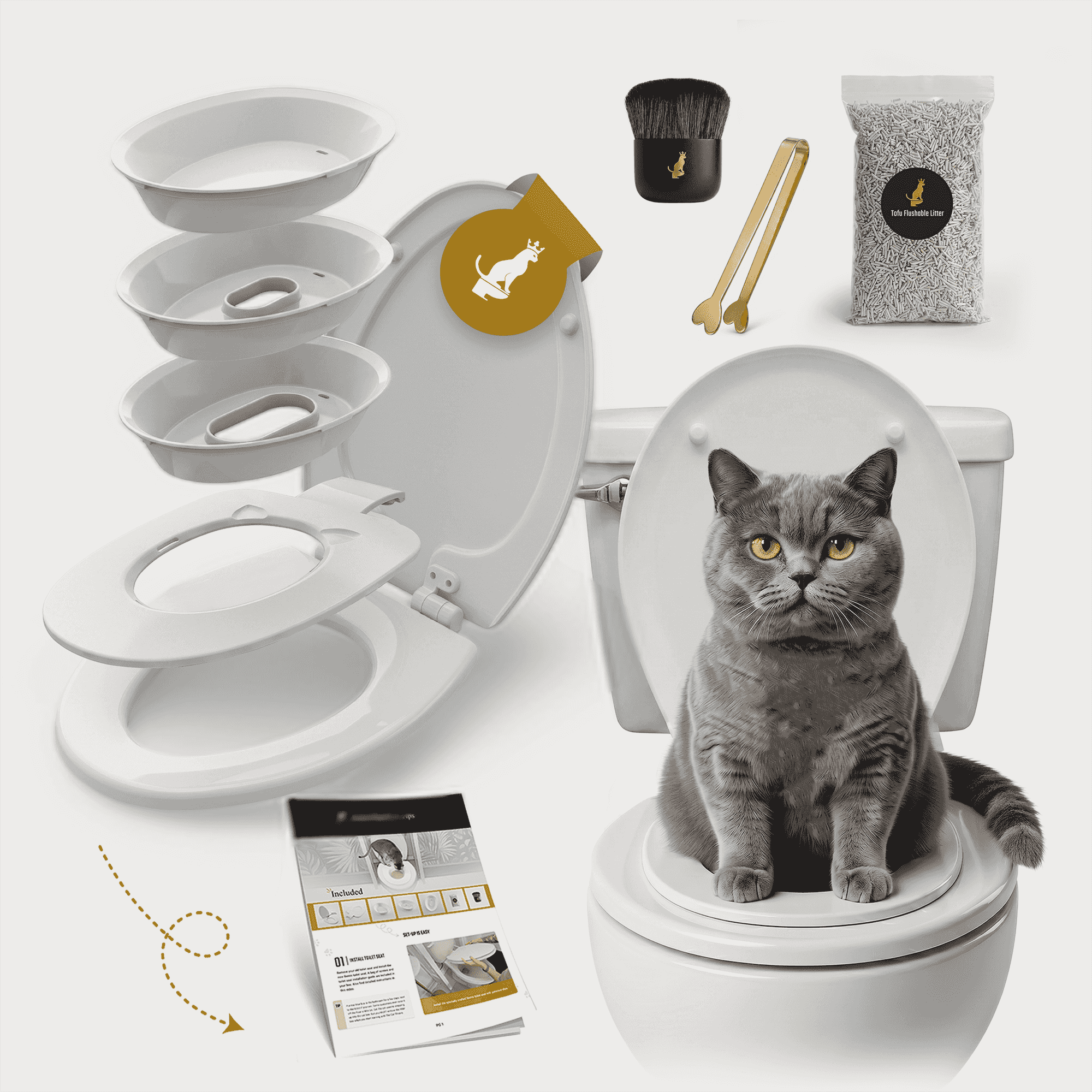
The Cat Throne System
Which Training System Is Right for Your Cat
Not every cat will take to toilet training the same way, and that's something most citikitty cat toilet training kit reviews don't tell you upfront. Your cat's personality matters just as much as the system you choose. Some cats are naturally curious and adaptable, while others need more time and a gentler approach. The good news is that understanding your cat's temperament can save you weeks of frustration and help you pick the right path from the start.
Matching Personality to Training Method
Confident, food-motivated cats usually do well with faster training systems like the citikitty cat toilet training kit. But anxious or skittish cats often need something more gradual. The Cat Throne system works better for cautious cats because it uses a step stool design that feels more stable and less intimidating than balancing on a toilet seat.
- Bold, adventurous cats adapt quickly to most systems
- Nervous cats need stable platforms and slower transitions
- Senior cats require low-impact, easy-access options
- Kittens under six months should wait until they're older
Age and Household Factors
Adult cats between one and ten years old are ideal candidates for toilet training. Kittens lack the coordination and focus, while senior cats may struggle with balance issues. Multi-cat households face extra challenges since cats often copy each other's bathroom habits, both good and bad.
- One bathroom for multiple people creates scheduling conflicts
- Apartments with limited space benefit most from toilet training
- Houses with multiple bathrooms make training much easier
Real World Training Examples
| Cat Type | Age | Best System | Training Time |
|---|---|---|---|
| Confident Siamese | 3 years | CitiKitty | 8 weeks |
| Anxious Rescue | 5 years | Cat Throne | 12 weeks |
| Playful Tabby | 2 years | Either works | 10 weeks |
Budget and Long Term Savings
The citikitty cat toilet training kit reviews often mention the lower upfront cost, but that doesn't tell the whole story. Training success rates matter more than initial price when you factor in potential do-overs. A $117 system that works the first time beats a $30 system you have to restart twice.
Using Tuft & Paw Tofu Flushable Litter during training helps cats adjust to flushable materials before the final transition. Once training is complete, you'll save around $300 yearly on litter costs regardless of which system you choose.
Making the Switch from Litter Box to Toilet
The CitiKitty cat toilet training kit reviews show it can work for some cats, but the limitations are real. The disposable trays add up in cost, the lack of a step stool makes it harder for cats to reach the toilet, and the rigid training schedule doesn't account for how different every cat really is. If you're serious about toilet training and want better odds of success, these factors matter more than you might think.
The Cat Throne system takes a different approach with its reusable design and built-in step stool. The patented clip system lets you adjust the training pace to match your cat's comfort level, which is why success rates tend to be higher. It costs more upfront, but you're not buying replacement trays every few months.
No matter which system you choose, flushable tofu litter is pretty much essential. Regular clay litter will wreck your plumbing, and the tofu stuff dissolves quickly while still giving your cat something familiar during the transition. Our Cat Throne Tofu Flushable Litter comes in large-grain format to reduce tracking and dust.
The money you spend on a quality training system gets paid back once you stop buying litter every month. But here's the thing most people don't realize until they start: patience matters way more than the system itself. What makes a cat toilet training system work isn't just the product, it's understanding your cat's behavior and moving at their pace.
Some cats take three weeks, others take three months. Both are normal.
Common Questions About Cat Toilet Training
Toilet training your cat brings up a lot of questions, especially when you're comparing different systems and trying to figure out what actually works. Most cat owners wonder about the same things before they start, from how long it takes to whether their specific cat can even learn this skill. Here are the answers to the most common questions people ask about the citikitty cat toilet training kit and other options like The Cat Throne.
How long does toilet training actually take?
Most cats take anywhere from 3 to 8 weeks to fully transition to using the toilet, though some pick it up faster and others need more time. The citikitty cat toilet training kit suggests a gradual process where you remove one ring every few days, but every cat moves at their own pace. Rushing the process is usually what causes cats to reject the training, so patience matters more than speed.
Is CitiKitty worth the money or should I buy an alternative?
CitiKitty typically costs around $30 to $40, which is less expensive than The Cat Throne system at $117, but the price difference reflects some important features. The Cat Throne uses a patented clip system that stays securely attached to your toilet, while CitiKitty sits on top and can shift around. If your cat is skittish or you want a more stable training experience, the extra investment in a system like The Cat Throne often pays off in fewer accidents and less frustration.
Can older cats learn to use the toilet?
Yes, older cats can absolutely learn to use the toilet, though they might take a bit longer than kittens. Cats up to 10 years old have been successfully toilet trained, as long as they don't have mobility issues or arthritis that makes jumping difficult. The key is going even slower with the transition and making sure your older cat feels comfortable at each stage.
What if my cat refuses to use the training system?
If your cat refuses to use the training system, the best approach is to go back one step and stay there longer before trying again. Some cats need weeks at a single stage, and that's completely normal. You can also try using a flushable tofu litter during training, like our Tuft & Paw Tofu Flushable Litter, which makes the transition feel more familiar since it mimics the texture cats are used to.
Is flushable litter really safe for septic systems?
Quality flushable tofu litter is generally safe for septic systems because it breaks down much faster than clay litter. Our Cat Throne Tofu Flushable Litter is specifically designed to be biodegradable and septic-safe, but you should always flush small amounts at a time rather than dumping large clumps. If you have an older septic system, check with a plumber first just to be safe.
How much does The Cat Throne cost compared to CitiKitty?
The Cat Throne costs $117 compared to CitiKitty's $30-$40 price point, but you're getting a more durable system with better stability. The patented clip design means it won't slide around during use, which is one of the main complaints people have when reading citikitty cat toilet training kit reviews. For many cat owners, the extra cost is worth it to avoid having to restart the training process because of a wobbly system.